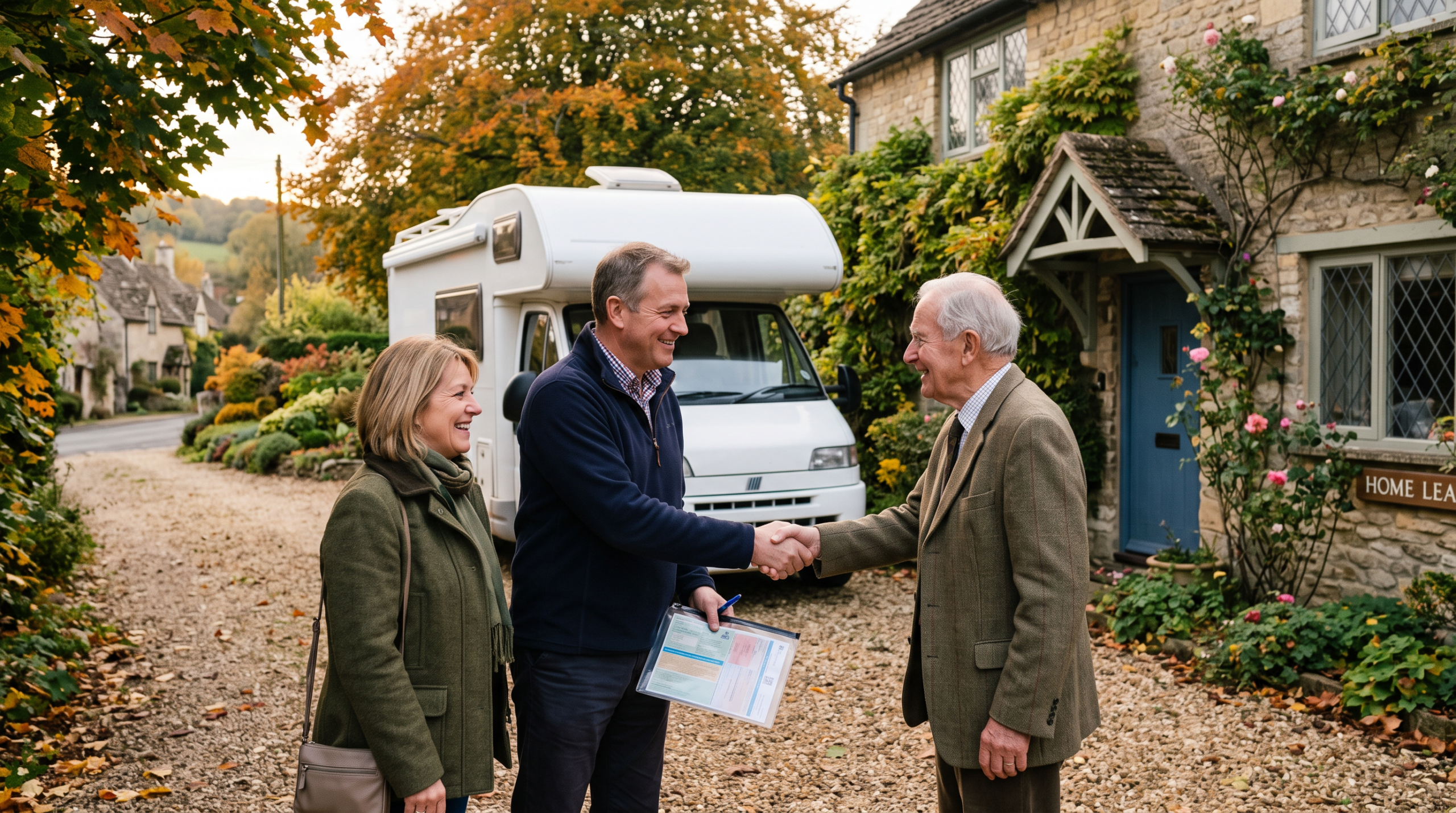
 Some of the best motorhomes on the market never reach a dealer’s forecourt. They’re sold by owners who have looked after them for years, often with a full history and a reasonable asking price. If you’ve found one, you may be wondering whether you can still spread the cost with finance.
The short answer is yes. Private sale motorhome finance is available, but it works a little differently from buying through a dealer, and there are extra checks to protect both you and the lender.
This guide explains how financing a motorhome from a private seller works, the checks worth making yourself, and how to buy with confidence.
Can you get finance on a motorhome from a private seller?
Yes. Most private sale motorhome finance is arranged as hire purchase, where the lender buys the vehicle from the seller and you repay the lender in monthly instalments. Once the final payment is made, the motorhome is yours.
Not every lender funds private sales, and those that do usually ask for more information about the vehicle and the seller. That’s where a specialist broker helps, because your application can go straight to lenders who are comfortable with private purchases. The same applies to campervans, so if you’re buying a converted van privately, our campervan finance team can help too.
Why buy privately, and what are the trade offs?
Buying from a private seller has some real advantages:
- Price. Private sellers don’t have dealer overheads, so asking prices can be lower.
- Choice. Many older, unusual or well equipped motorhomes are only ever sold privately.
- History. You can speak directly to the owner about how the vehicle has been used, stored and maintained.
There are trade offs to weigh up as well:
- Fewer legal protections. You have fewer rights when you buy from a private individual than from a dealer, which we cover below.
- No dealer warranty. Any warranty will usually have to be arranged separately.
- More checks to do yourself. There’s no dealer to prepare the vehicle, check its history or handle the paperwork.
How private sale motorhome finance works
The process is straightforward once you know the steps.
- Get approved before you start viewing. Applying first tells you how much you can comfortably borrow and shows sellers you’re a serious buyer. Our guide on how much you can borrow for a motorhome explains what lenders look at.
- Find your motorhome and agree a price. Let the seller know you’re buying with finance, and agree the sale subject to the finance being completed.
- Send us the vehicle details. We’ll need the registration, mileage, asking price and the seller’s contact details, along with a copy of the V5C logbook.
- Vehicle and seller checks. The lender will confirm the seller is the registered keeper and check the motorhome’s history, including whether it has outstanding finance, has been reported stolen or has been written off.
- Inspection or valuation if needed. For some vehicles, a lender may ask for photos, an independent inspection or a valuation before going ahead.
- Sign your agreement. You’ll receive your finance documents to review and sign. With private sales you’ll also be asked to read and sign a private sale risk acknowledgement, which sets out the protections you won’t have when buying from a private individual.
- The seller is paid. In most cases the lender pays the seller directly, settling any outstanding finance on the motorhome first. You don’t need to carry large sums of money or transfer funds to a stranger.
- Collect your motorhome. Once payment is confirmed, you can collect the vehicle and the paperwork, and the adventures can begin.
Checks to make before you buy
The lender’s checks protect its interest in the vehicle, but they’re no substitute for your own. Before you commit, it’s worth taking these steps:
- Check the MOT history for free on GOV.UK. Look for gaps, recurring advisories and whether the recorded mileage makes sense.
- Confirm the vehicle details using the DVLA’s free vehicle information checker, and make sure they match what the seller has told you.
- Match the V5C to the seller. The name and address on the logbook should match the seller and the place you’re viewing the motorhome. Be wary if they don’t.
- Ask for a habitation and damp check. Damp is one of the most expensive problems in a motorhome, so ask whether one has been done recently or arrange your own.
- Look through the service history for both the base vehicle and the habitation area.
- View in daylight and take a test drive, making sure you’re insured to drive it first.
GOV.UK has a helpful summary of checks to make when buying a used vehicle, and our guide on what to look for when buying a used motorhome covers the motorhome specific points in detail.
Your rights when buying privately
When you buy from a private seller, you have fewer legal rights than when you buy from a dealer. The seller must have the right to sell the vehicle and it must match its description, but there’s generally no right to expect it to be of satisfactory quality in the way you could from a trader.
In practice, that means the checks you make before buying matter more. Citizens Advice explains your rights when buying a used vehicle in more detail.
What if the seller still has finance on the motorhome?
This is more common than you might think, and it doesn’t have to stop the sale. A motorhome with outstanding finance still technically belongs to the finance company until it’s paid off, so it must be settled before ownership can pass to you.
When you buy with private sale finance, the outstanding balance is usually settled directly from the funds before any money goes to the seller. If you were buying with cash, you’d need to make sure this happened yourself. Citizens Advice explains what can happen if a vehicle is sold while still on finance.
How to avoid private sale scams
Most private sellers are genuine, but it pays to be careful with a purchase of this size:
- Be cautious of prices that seem too good to be true, especially on popular models.
- Never pay a deposit to hold a vehicle you haven’t seen in person.
- View the motorhome at the seller’s home address, not a lay by or car park.
- Don’t be rushed. A genuine seller will understand that you need time for checks and finance.
How Pegasus Finance can help
At Pegasus Finance, we can arrange motorhome finance for vehicles bought from private sellers as well as dealers. Your dedicated personal advisor will guide you through each step, liaise with the lender on the vehicle checks, and make sure you understand the private sale risk acknowledgement before anything is signed.
We also fund older motorhomes that some lenders won’t consider, which is helpful when the right vehicle is a well kept classic rather than a nearly new model. Our service is free to use, with no obligation, and you can try our finance calculator or apply online in just a few minutes. Buying a caravan privately instead? Our Ask the Expert guide covers that too.
Conclusion
Financing a motorhome from a private seller is entirely possible, and it can open up some of the best value vehicles on the market. The key is to get approved first, make your own checks alongside the lender’s, and understand the protections you have when buying privately.
With the right preparation, you can buy with confidence and spend more time enjoying the great outdoors in the vehicle you’ve always dreamed of owning.
Finance is subject to status and affordability. Terms and conditions apply.